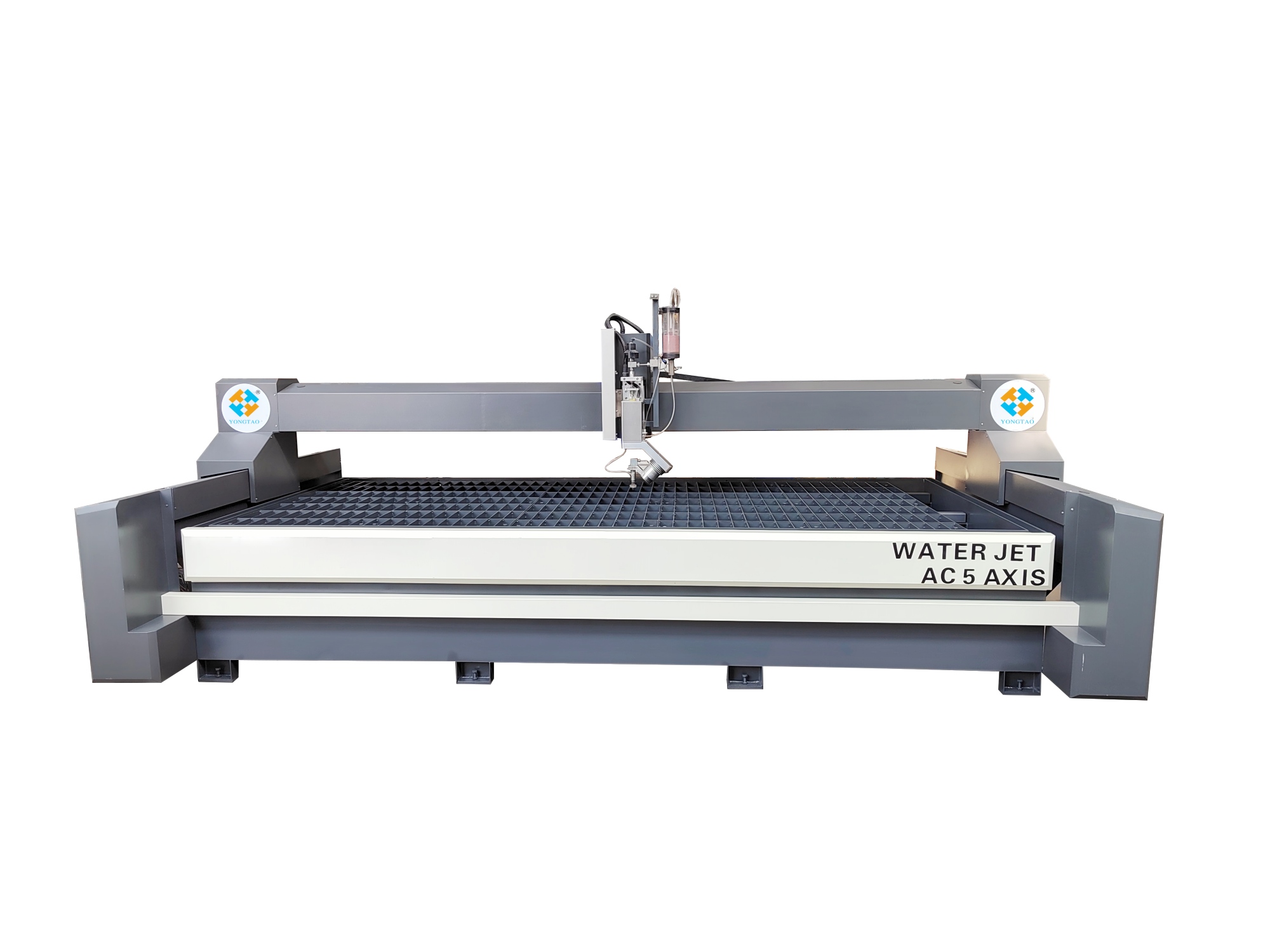
Waterjet cutting for complex profiles.

Build a reliable route for shaped cuts, internal corners, openings and value-added components across stone, tile, glass and metal.

  • CAD-based cutting and nesting
  • Stone, tile, glass and metal
  • Complex contours and clean openings
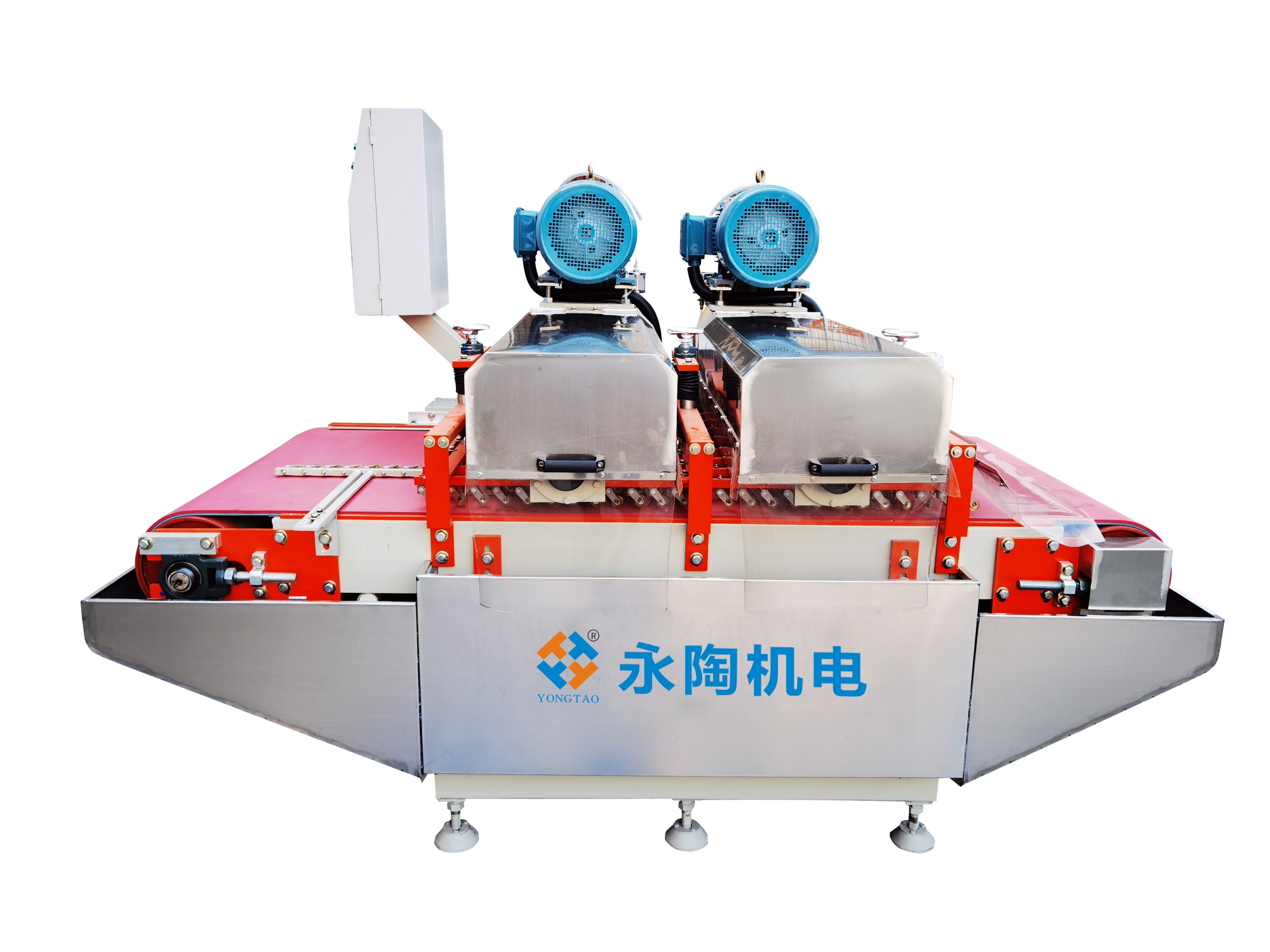
Precision cutting routeYongtao waterjet cutting machine
01Load and nest
02Cut from CAD
03Inspect and hand off
A route for detailed work

Turn drawings into accurate, repeatable components.

Waterjet cutting is most valuable where saws cannot easily make the finished profile: inside corners, curved outlines, sink cut-outs, medallions and mixed-material parts.

The result depends on more than the machine. Material thickness, surface finish, drawing quality, nesting, abrasive selection and inspection criteria should be planned as one workflow.

  • Define material, thickness and finished edge requirement
  • Use clean CAD files and confirm the datum point
  • Separate high-value shapes from routine straight sizing
  • Dry-fit critical parts before packing or installation
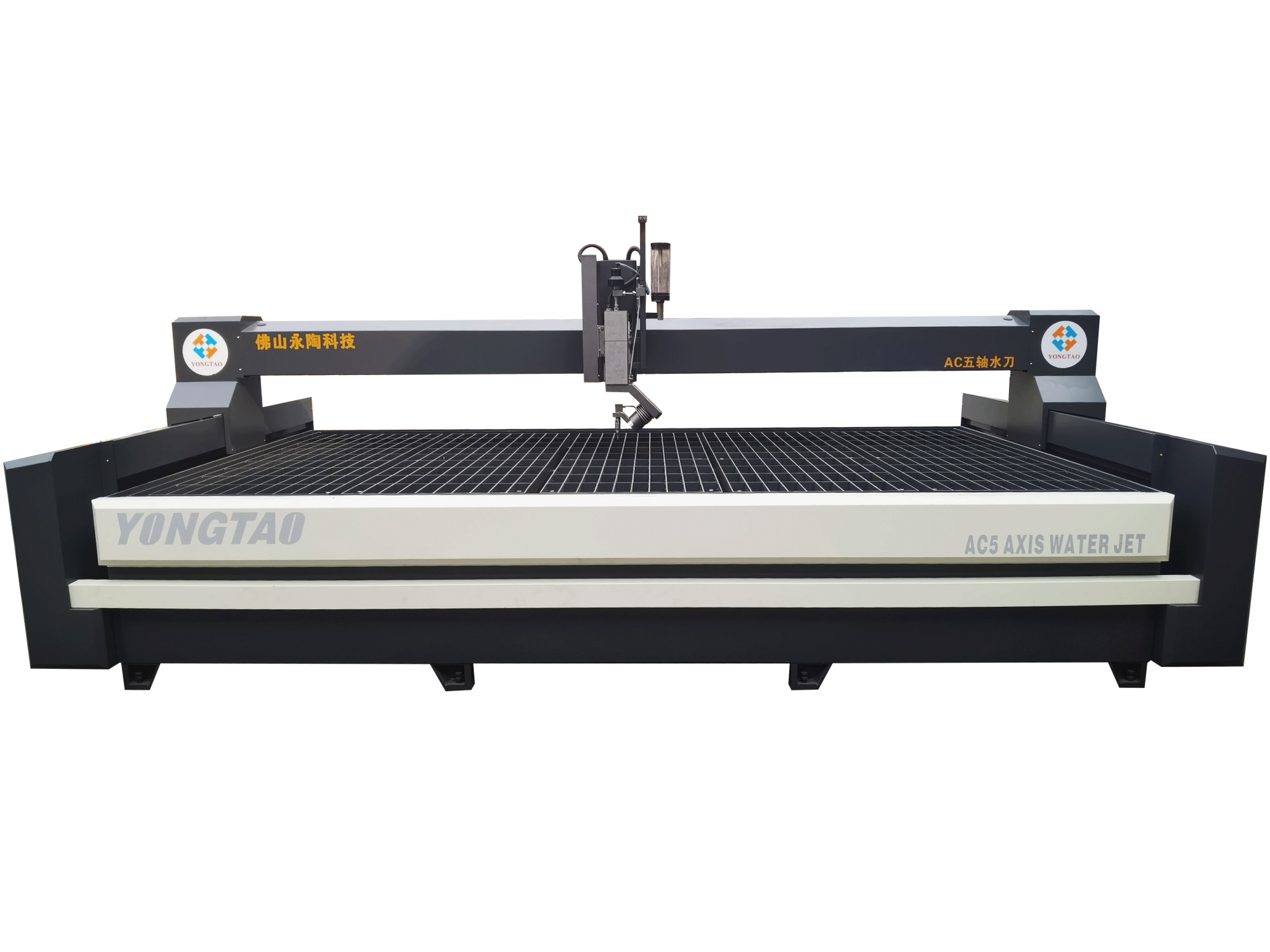
Waterjet cutting equipment for slab processing
Start from the part drawingFinished geometry determines the waterjet setup and downstream handling.
Recommended machine sequence

Four controlled steps from drawing to finished part.

One waterjet station can support different materials when the loading, program review and output checks are defined before production starts.

Confirm material and CAD

Check thickness, finish, drawing scale, openings and the finished edge that will be visible after installation.

Nest and load safely

Place parts to control material use, keep the slab stable and leave practical clearance for cut-outs.

Cut the programmed profile

Use the specified cutting parameters for contours, holes, internal corners, bevels and complex shapes.

Inspect and hand off

Check dimensions, edge condition and fit before the part moves to polishing, assembly or packing.

Finished products

Use the waterjet where the profile adds value.

Keep the waterjet focused on operations that require its accuracy and flexibility, while routine straight cuts stay on the most efficient upstream machine.

01

Countertop openings

Sink, tap and appliance openings positioned accurately from the production drawing.

02

Floor medallions

Nested decorative shapes that are checked by dry fit before final installation.

03

Glass panels

Specialist openings and contours for fitted architectural components.

04

Custom metal parts

Complex outlines and repeatable features for customer-specific fabrication.

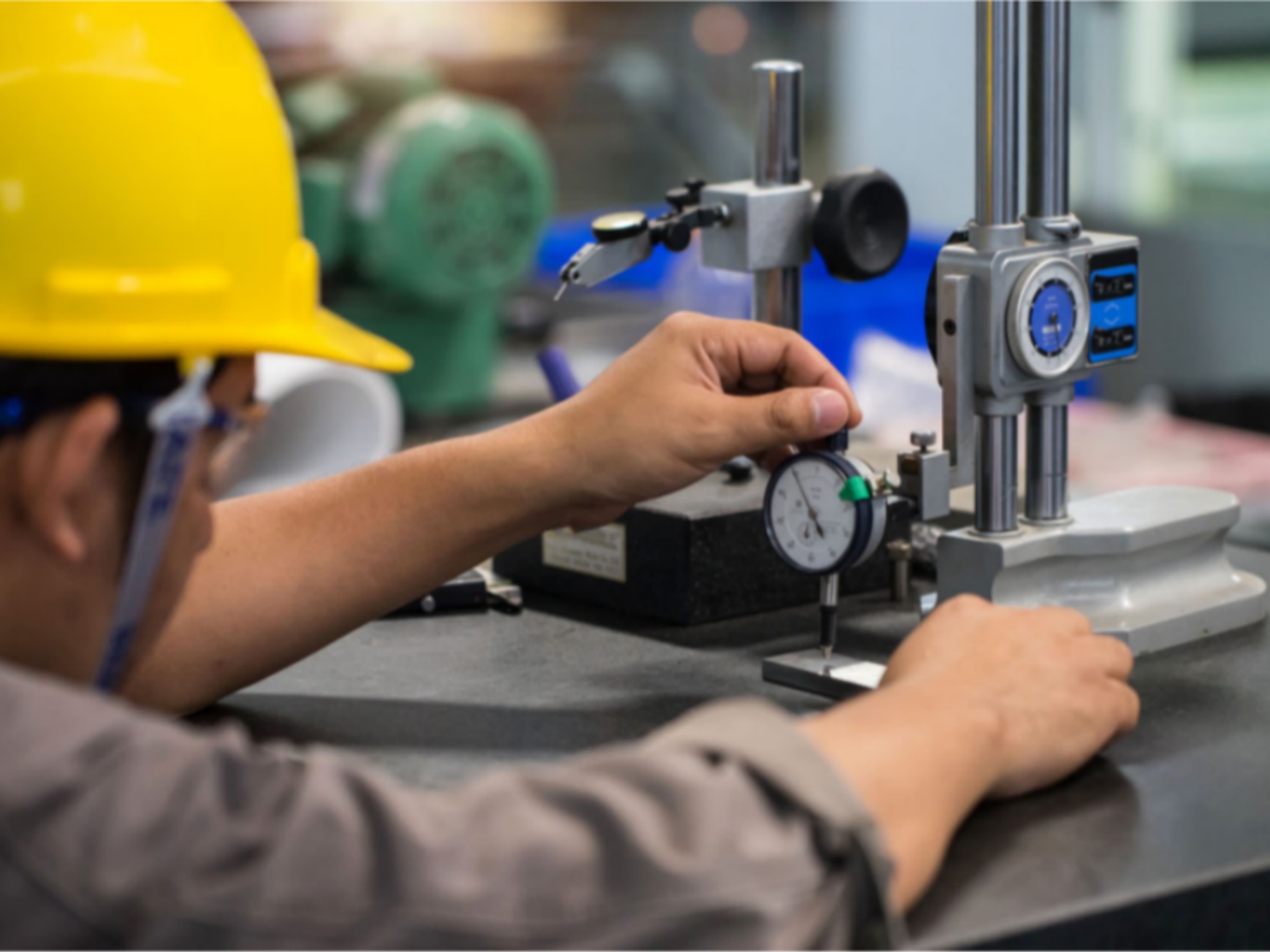
Yongtao machine testing process
Project scope

What to send for a practical proposal.

Share the information below and the Yongtao team can assess machine size, configuration and the process around it.

  • 01Material names, thicknesses and maximum sheet sizes
  • 02Representative DXF or CAD drawings with finished dimensions
  • 03Daily output target and your current loading method
  • 04Factory utilities, available footprint and material route
  • 05Destination voltage, port and service expectations
Send the project brief →